Dark Elbows and Knees: Why They Happen — and What Prescription Treatment Can Do
Prescription Skincare With Peptides: Where Compounded Formulas Go Beyond What's on the Shelf
Can You Combine Peptides With Tretinoin? What the Science Says
Signal Peptides, Carrier Peptides, Neurotransmitter Peptides: What the Different Types Actually Do
Peptides vs Retinoids: Which Does More for Aging Skin?
What Are Peptides in Skincare — and Do They Actually Work?
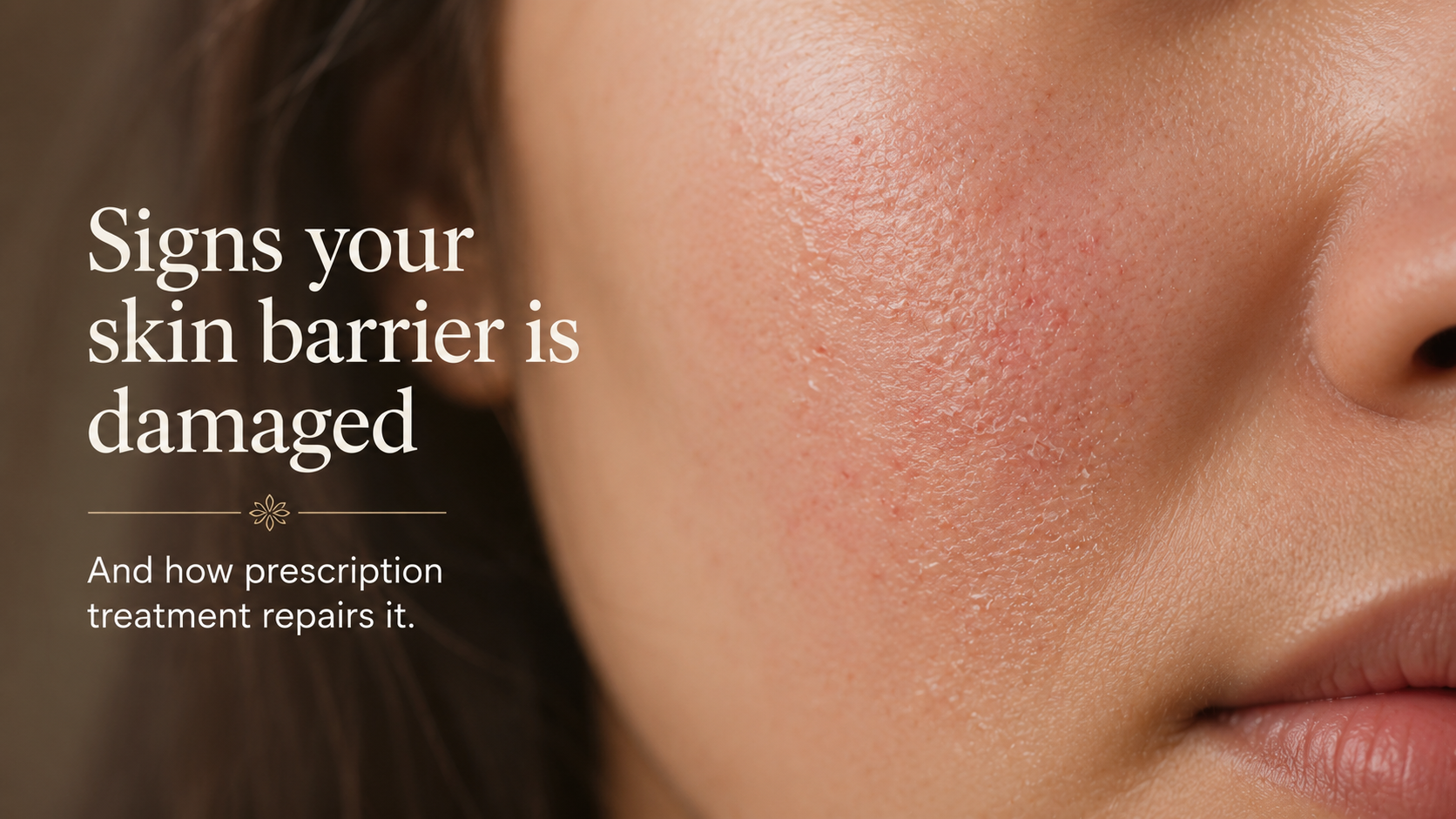
Signs Your Skin Barrier Is Damaged — and How Prescription Treatment Repairs It
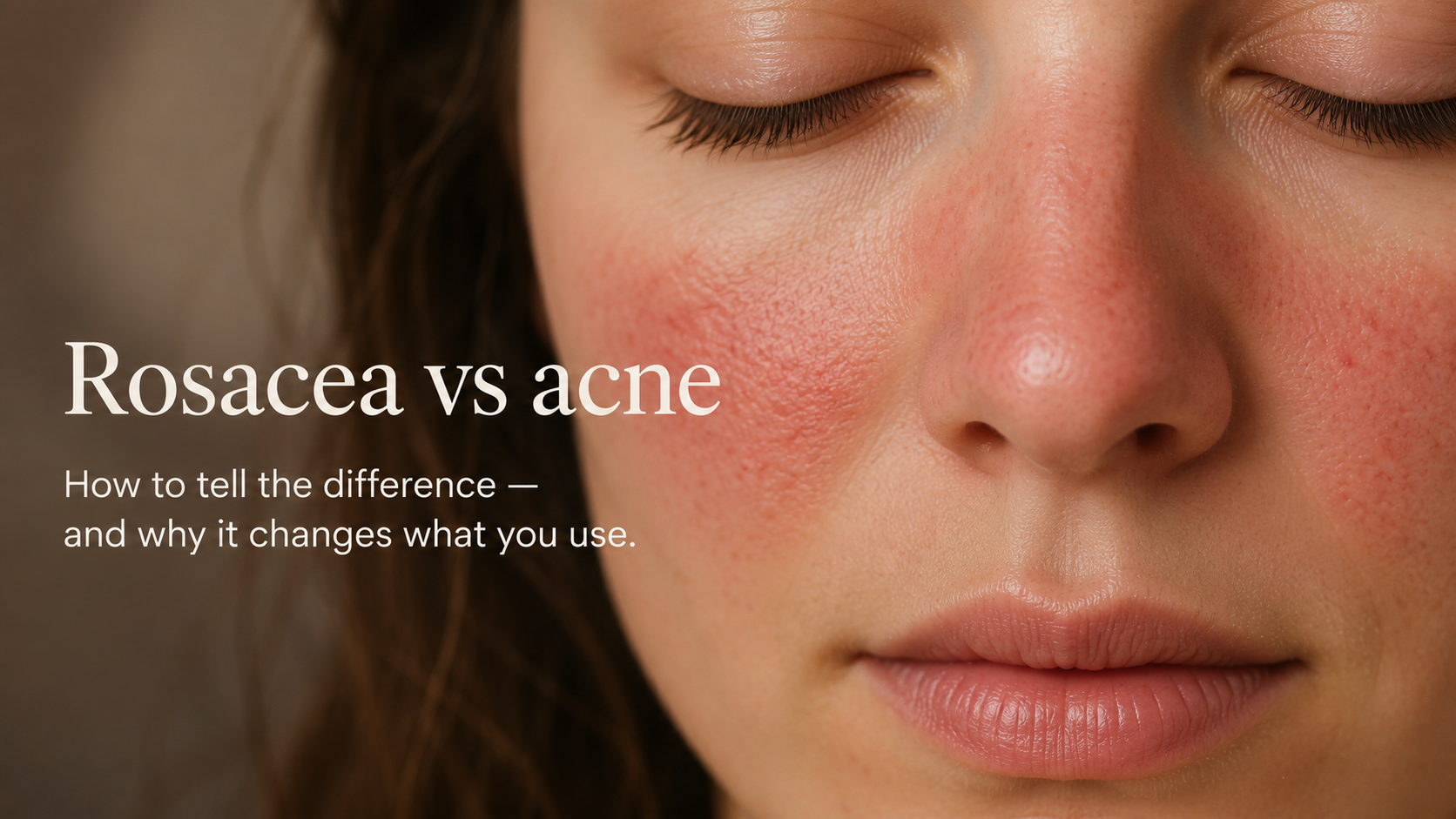
Rosacea vs Acne: How to Tell the Difference — and Why It Changes What You Should Use
Compounding Pharmacy Skincare: What It Is, How It Works, and Why It Matters
How to Get a Skin Prescription in Canada Without a Dermatologist Referral
Why Your Skin Feels Different After 40 — What the Biology Actually Says
Preventative Skincare in Your 30s: Why Starting a Prescription Retinoid Now Changes What Your Skin Looks Like at 50
Fine Lines vs Wrinkles: What's the Difference — and Which Responds to Prescription Treatment?
Mineral vs Chemical Sunscreen: What Dermatologists Recommend for Prescription Skincare Users
The Best Sunscreen to Use With Tretinoin (And Why It Matters More Than You Think)
Post-Inflammatory Hyperpigmentation: Why Acne Marks Turn Brown — and How to Fade Them
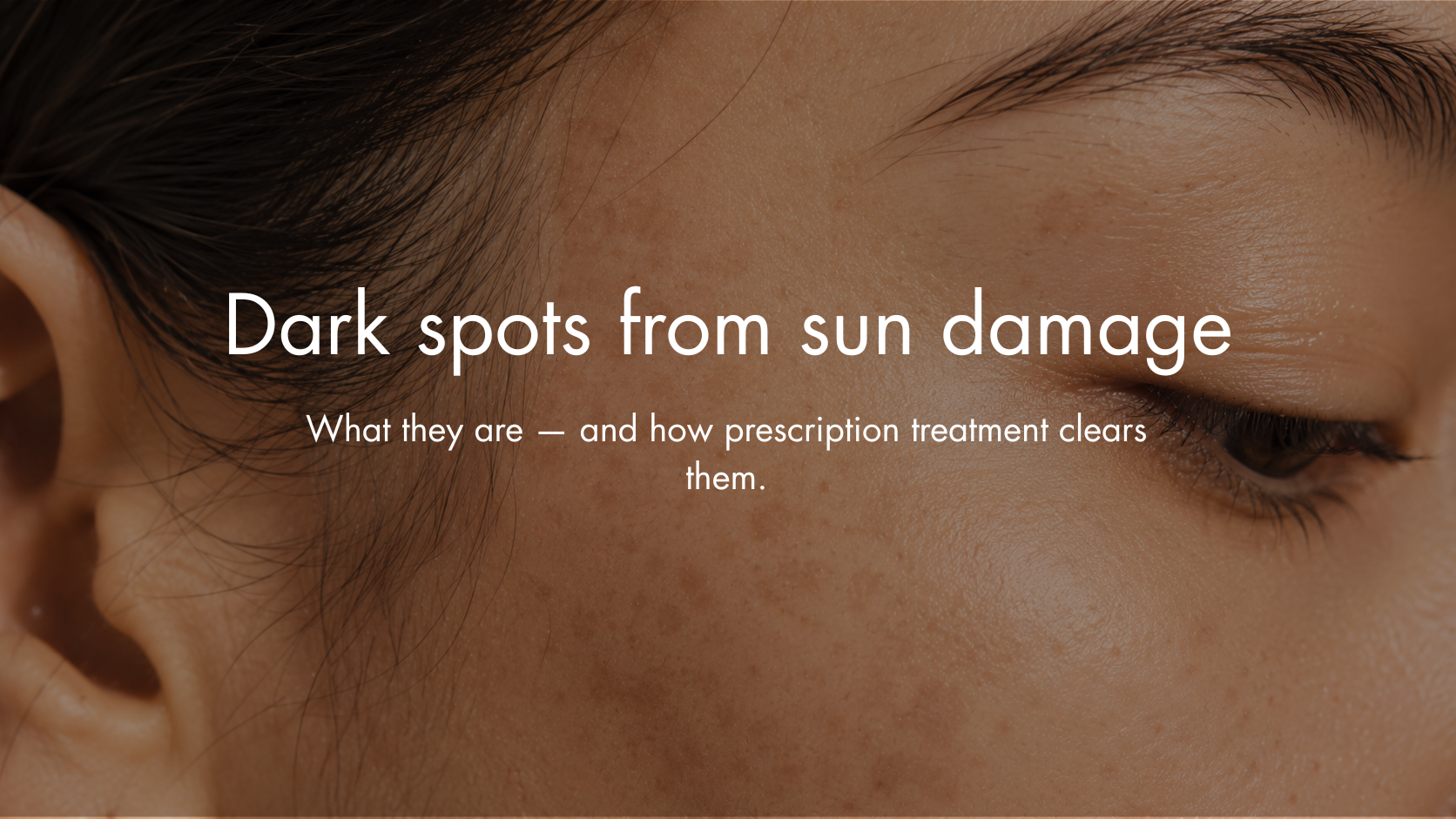
Dark Spots From Sun Damage: What They Are and How Prescription Treatment Clears Them
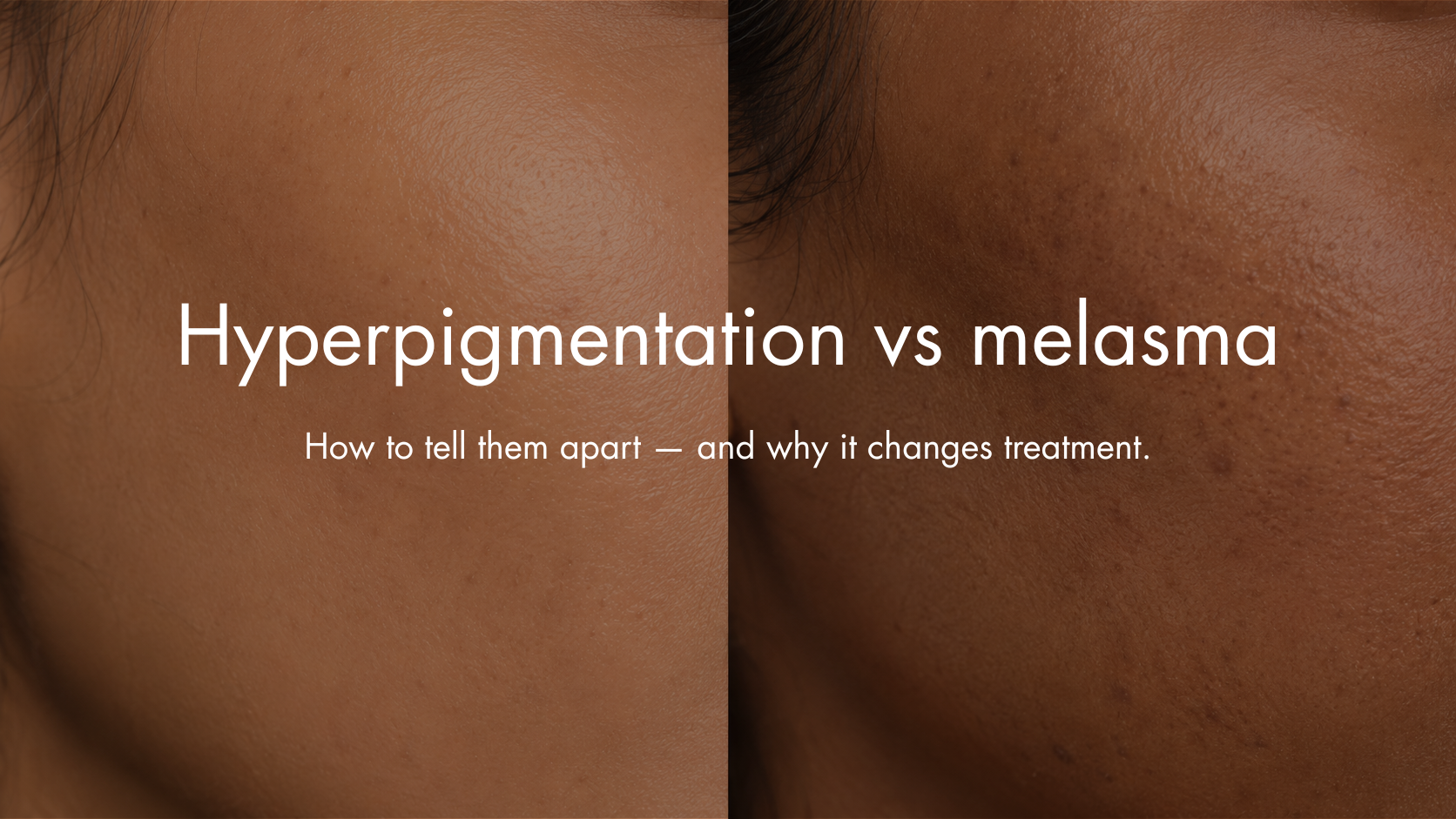
Hyperpigmentation vs Melasma: How to Tell the Difference — and Why It Changes Treatment
Adult Acne in Women: Why It's Different From Teenage Acne — and What Actually Works